
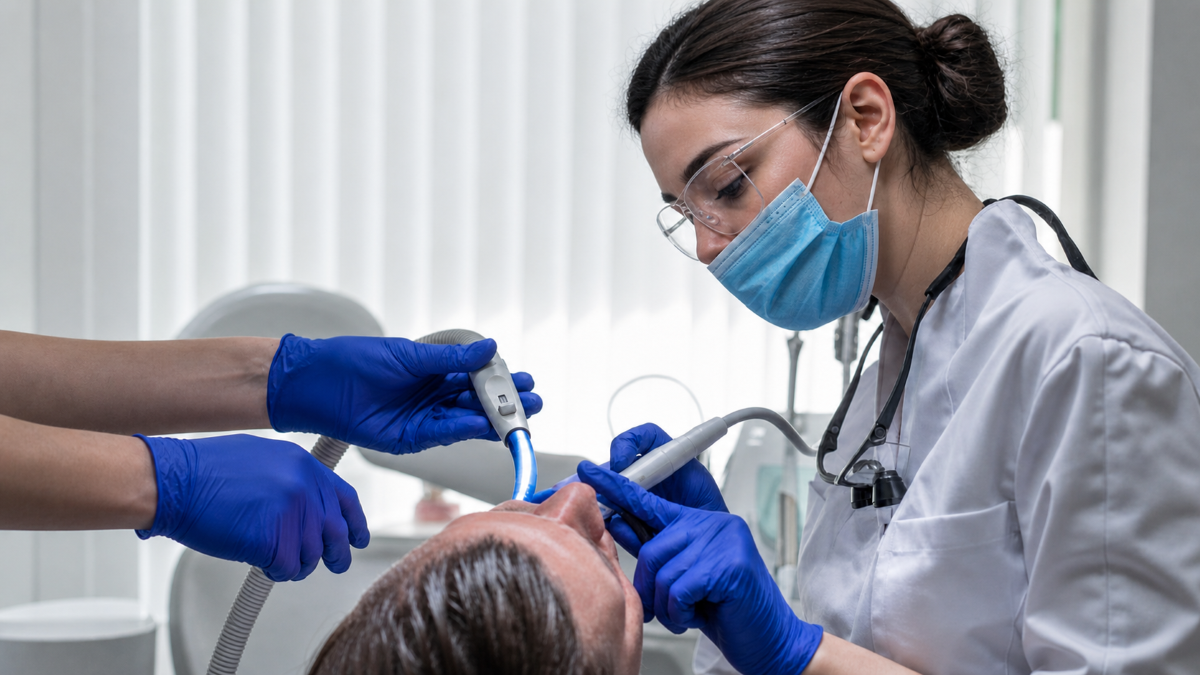
Oral surgery refers to surgical dental procedures that go beyond routine dental care, including complex extractions, impacted tooth removal, bone grafting, and implant preparation. It is performed when a tooth is difficult to access, when infection or damage extends below the gumline, or when bone involvement requires a surgical approach rather than standard treatment.
What's Covered at Your Oral Surgery Appointment
- Complex and impacted tooth extractions: Surgical removal of teeth that cannot be extracted through routine means, including impacted wisdom teeth.
- Bone grafting: Surgical preparation of the jaw to support dental implants or restore bone lost to infection or extraction. The specific materials and techniques used are selected based on your clinical needs and discussed with you before treatment begins.
- Surgical implant preparation: Procedures to prepare the jaw surgically before or alongside dental implant placement.
- Local anaesthesia and sedation available: All oral surgery is performed under local anaesthesia; sedation is available when appropriate and discussed in advance.
- Most patients feel pressure, not pain: Local anaesthesia prevents pain during surgery. Post-surgical discomfort is discussed and managed with clear aftercare instructions.
- Costs explained before treatment: Surgical costs vary by procedure type and complexity. Insurance coverage is reviewed and all costs are confirmed before treatment begins.
What Is Oral Surgery?
Oral surgery is the term for surgical dental procedures that require more than routine instruments and techniques. Where a standard dental visit handles cleanings, fillings, and straightforward extractions, this approach addresses cases where teeth, bone, or tissue require a surgical approach to treat effectively.
At Guelph Village Dental, these procedures are performed in-clinic by our dental team. Procedures are explained clearly before treatment, anaesthesia options are discussed in advance, and recovery expectations are set at the same appointment. For cases requiring specialist-level care, a referral is arranged. The Canadian Dental Association outlines the scope of surgical dental procedures that qualified practitioners can perform within a general dental setting.
What Procedures Are Considered Oral Surgery?
The following procedures fall under the category of dental surgery at Guelph Village Dental:
Complex and Surgical Tooth Extractions
When a tooth is impacted, broken at the gumline, or positioned in a way that prevents routine removal, a surgical extraction is required. This involves making a small incision in the gum tissue, and in some cases removing a small amount of bone, to access and remove the tooth safely. The area is numbed thoroughly before the procedure begins.
For patients requiring tooth extraction that falls within routine complexity, a separate page covers that procedure in detail.
Impacted Wisdom Tooth Removal
Wisdom teeth that are trapped beneath the gum or bone, or that are only partially erupted, require surgical extraction. This is one of the most common surgical procedures performed in a dental setting. A full overview of the procedure, recovery, and cost is available on the wisdom teeth removal page.
Bone Grafting
Bone grafting is a surgical procedure used to rebuild or reinforce the jawbone in areas where bone has been lost due to tooth extraction, infection, or long-term tooth absence. It is most commonly performed to prepare the jaw for dental implant placement, ensuring there is adequate bone volume and density to support the implant. The specific materials and techniques used are selected based on your clinical needs and discussed with you before treatment begins.
Surgical Implant Preparation
In some cases, placing a dental implant requires surgical preparation of the jaw before or at the time of implant insertion. This may include bone grafting, tissue management, or site preparation specific to the patient's anatomy. Full details on dental implants are covered on the dedicated implants page.
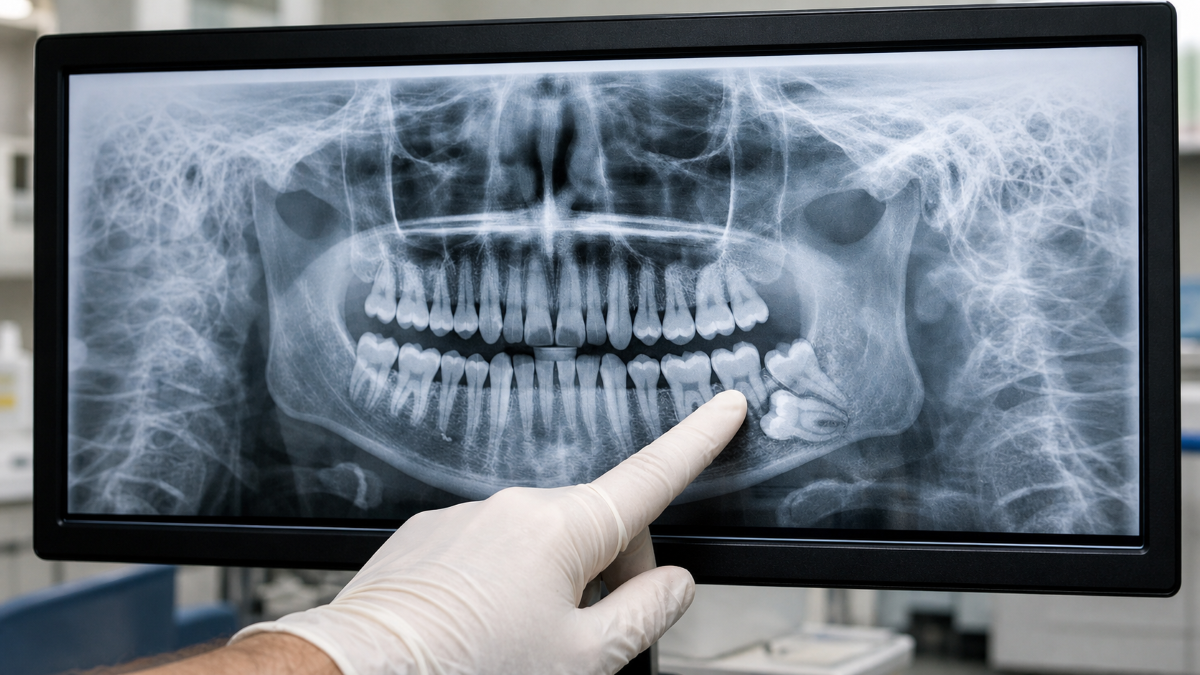
When Is Oral Surgery Recommended Instead of Routine Dental Treatment?
Not every dental concern requires surgery. The decision to proceed with an oral surgical approach is based on a thorough clinical evaluation and imaging. Surgery is recommended when:
- A tooth is impacted or cannot be accessed routinely, such as a wisdom tooth trapped beneath bone or a tooth broken at the gumline
- Infection or damage extends below the gumline, requiring direct surgical access to clean and treat the area effectively
- Bone or jaw involvement is present, such as a cyst, bone loss from infection, or a jaw structure that requires surgical intervention
- Surgical access is required for proper treatment, including implant site preparation and bone grafting before restorative work can begin
In every case, the clinical findings are explained to you clearly and no treatment proceeds without your understanding and consent.
General Dentist vs. Oral Surgery: When Each Is Appropriate
Understanding when a procedure moves from routine into surgical territory helps you know what to expect at your appointment.
| Routine Dental Treatment | Oral Surgery | |
|---|---|---|
| Extractions | Fully erupted, accessible teeth removed with standard instruments | Impacted, fractured, or difficult-to-access teeth requiring incision and possible bone removal |
| Anaesthesia | Local numbing for the treatment area | Local anaesthesia with sedation available when appropriate |
| Bone involvement | Not required | May include bone removal to access a tooth, or bone grafting to restore jaw volume |
| Recovery | Mild soreness; typically resolves within a few days | Recovery varies by procedure; swelling and soreness are normal and discussed in advance |
| Cost | Based on procedure type and location | Varies by procedure complexity; insurance coverage reviewed before treatment |
| When used | Cavity fillings, cleanings, standard extractions, root canal treatment | Impacted teeth, bone grafting, implant preparation, surgical extractions |
How Is Patient Comfort Managed During Oral Surgery?
The procedure sounds daunting, but patient comfort is the priority at every stage. Here is what is done to ensure your experience is as comfortable as possible:
- Local anaesthesia: The surgical area is thoroughly numbed before the procedure begins. Most patients report feeling pressure and movement rather than pain.
What Is Recovery Like After Oral Surgery?
Recovery from surgery depends on the type of procedure and individual healing. General expectations include:
- Swelling and soreness in the treated area are normal and are discussed in advance so they do not come as a surprise
- Most swelling peaks within the first 48 hours and gradually improves from there
- Aftercare instructions covering eating, rinsing, activity, and what to avoid are reviewed at your appointment
- Post-operative check-ins or follow-up appointments are arranged when clinically appropriate
If you experience symptoms that are worsening significantly rather than improving, or if you have questions about your recovery, contact the clinic promptly. Early follow-up is always better than waiting.
FAQs About Oral Surgery in Guelph
What is oral surgery?
When is oral surgery recommended instead of routine dental treatment?
How painful is oral surgery?
What types of procedures are considered oral surgery?
Do I need a separate oral surgeon or can my dentist perform oral surgery?
How long is recovery after oral surgery?
Book Your Oral Surgery Consultation in Guelph
If you have been told you need a surgical dental procedure, or if you are experiencing symptoms that may require surgery, Guelph Village Dental is here to assess your situation and explain your options clearly. We perform a range of oral surgery procedures in-clinic, with referrals arranged for cases requiring specialist care.
- Clear process from start to finish: Findings, treatment options, costs, and recovery expectations are all discussed before treatment begins.
- Comfortable, monitored care: Local anaesthesia and sedation options ensure your comfort throughout. Post-surgical instructions and follow-up are provided before you leave.
To book your consultation in Guelph, contact Guelph Village Dental. Our team looks forward to helping you.
Guelph Village Dental accepts the Canadian Dental Care Plan (CDCP). Select surgical procedures may be eligible for coverage, eligibility is confirmed before treatment.
 Troy Newton
 Ashley Leanne
 F. Da Silva
 Carol and Jess Mott