
Invisalign Treatment Timeline: How Long Does It Take?
Eight months is the average but your actual Invisalign timeline depends on more than the calendar.
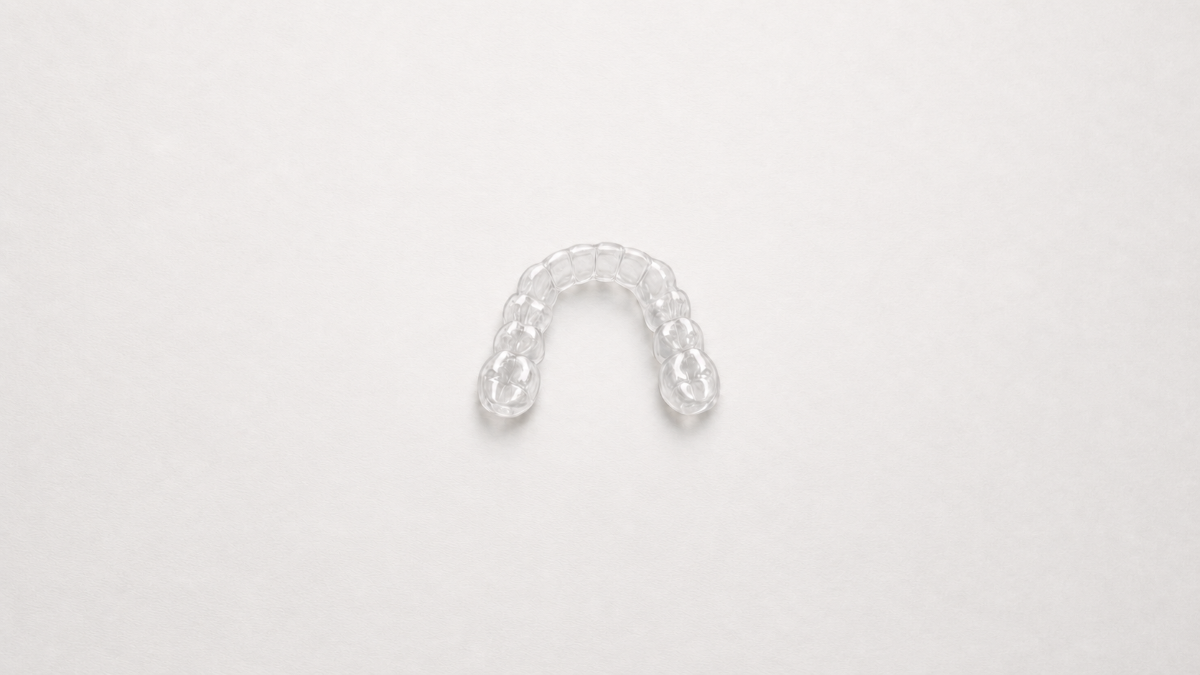
Invisalign treatment at Guelph Village Dental typically takes around eight months, though timelines vary based on case complexity and how consistently aligners are worn. Patients progress through a series of custom aligner trays, with regular in-person check-ins to confirm the bite is tracking as planned before a retention phase begins.
Fast Facts - Invisalign Timeline at a Glance
- Average invisalign treatment duration at our Guelph clinic is around 8 months
- Timeline depends on case complexity, not a fixed number for every patient
- Aligners are typically worn 20 to 22 hours a day and switched every one to two weeks
- Invisalign express may shorten the timeline for very mild cases
- Skipping wear time or missing check-ins can extend the timeline beyond the original estimate
“How long will this actually take?” is one of the first questions patients ask once they’ve decided to move forward with invisalign teeth straightening. The honest answer starts with an average, then depends heavily on the specifics of your case.
Invisalign Treatment Timeline: How Long Does It Take?
At Guelph Village Dental, invisalign treatment typically takes around eight months from start to finish. That number is a helpful starting point, but it’s an average, not a guarantee — some patients finish sooner, and others need a longer series of aligners depending on how much correction their teeth need.
Here’s what actually happens at each stage, and what can speed up or slow down your specific timeline.
Stage 1 - Consultation and Digital Assessment
Every treatment plan begins with a consultation and digital scan of your teeth and bite. Your dentist uses this to map out exactly how your teeth need to move and roughly how many aligner stages that will require. This planning stage typically takes place over one or two visits before your first set of trays is ready.
Stage 2 - Active Aligner Wear
This is the bulk of your invisalign treatment timeline. You’ll be given a series of custom invisalign aligners, each worn for about one to two weeks before moving on to the next tray in the sequence. For most patients at our clinic, this active phase takes up the majority of the roughly 8-month average.
During this stage, consistency matters more than almost anything else. Aligners need to be worn 20 to 22 hours a day, removed only for eating, drinking anything other than water, and brushing or flossing. Falling short of that wear time doesn’t just slow progress down, it can cause the aligners to stop fitting properly, since your teeth aren’t moving on the schedule the trays were designed for.
Stage 3 - Regular Progress Check-Ins
Throughout treatment, you’ll have periodic in-person visits so your dentist can confirm your bite is tracking as planned. These check-ins are also when your dentist catches early signs that a tray isn’t fitting the way it should, before it becomes a bigger delay.
Stage 4 - Refinements, If Needed
Not every case needs this step, but if your teeth need additional fine-tuning near the end of your original treatment plan, refinement aligners may be added. This is normal and doesn’t mean anything went wrong, it simply means your dentist is making sure the final result meets your treatment goals rather than settling for “close enough.”
Stage 5 - Retention
Once active treatment wraps up, your dentist will discuss a retention plan to help your teeth stay in their new position. Teeth have a natural tendency to shift back over time without some form of retention, so this stage matters just as much as the active treatment itself, even though it’s less intensive day to day.
What Speeds Up or Slows Down Your Timeline
Case Complexity
Mild spacing or minor crowding generally requires fewer aligner stages than more involved bite corrections. This is the single biggest factor in how long your specific treatment will take, and it’s assessed during your initial consultation.
Wear Time Compliance
Aligners only work while they’re in your mouth. Patients who consistently hit the recommended 20 to 22 hours a day tend to stay on schedule, while inconsistent wear is one of the most common reasons a timeline stretches longer than originally estimated.
Whether You Qualify for Invisalign Express
For patients with very mild misalignment, invisalign express uses a shorter series of aligner trays, which can bring the total timeline down compared to standard treatment. Not everyone qualifies, this is determined during your assessment based on how much correction your teeth actually need.
Attendance at Progress Visits
Missing scheduled check-ins can delay your dentist’s ability to catch a tracking issue early, which sometimes means an extra aligner stage is needed to correct the course later in treatment.
What a Typical Week Looks Like
Once you’re in the active phase of treatment, most weeks follow a simple rhythm: wear your current tray as close to full-time as possible, remove it only for meals and oral hygiene, and switch to the next tray in your series on the schedule your dentist set out. Occasional check-in appointments are spaced throughout this phase rather than happening every week, so day-to-day life stays largely uninterrupted.
Some patients notice mild pressure or tightness for the first day or two after switching to a new tray, which is a normal sign that the aligner is doing its job. This typically eases within a day as your teeth begin adjusting to the new position.
Caring for Your Aligners During Treatment
Keeping your trays clean is part of staying on schedule, since buildup can affect fit and comfort over the many months of active treatment. Many patients use invisalign cleaning crystals or a dentist-recommended cleaning routine to keep trays clear and free of buildup between changes. Ask your dentist which cleaning approach they recommend for your specific aligner material.
What If Your Timeline Needs to Change Mid-Treatment
Life doesn’t always cooperate with a treatment schedule. If you know you have a trip, a big event, or a stretch where wear time might slip, mention it at your check-in rather than waiting until the next visit. Your dentist can sometimes adjust the plan slightly, whether that means extending a tray a little longer or simply flagging it so the timeline expectation stays realistic.
The one thing to avoid is trying to “catch up” by skipping ahead to a later tray before your teeth have actually finished moving into the current one. This can cause aligners to stop fitting properly and often adds time rather than saving it.
Comparing Your Timeline to Traditional Braces
If you’re weighing Invisalign against traditional braces on timeline alone, our Invisalign vs. Traditional Braces guide breaks down how the two options typically compare on treatment length, alongside comfort and cost. And if your case involves a bite issue specifically, our guide on Invisalign and overbite correction explains how bite complexity affects both timeline and outcome.
The Canadian Dental Association notes that consistent attendance at scheduled orthodontic visits is one of the most important factors in keeping any tooth-movement treatment on track, whether it involves aligners or fixed braces.
FAQs About Your Invisalign Timeline
Ready to Map Out Your Invisalign Timeline?
Want to know how long your specific case will actually take, not just the average?
- Your dentist maps out your treatment stages during a digital assessment, so you know what to expect before you start
- Regular in-person check-ins keep your bite tracking on schedule the whole way through
- You’ll know upfront whether you qualify for Invisalign Express or need a full multi-stage plan
Call us to book a consultation with Dr. Sherief Mohamed or Dr. Sarah and get a timeline built around your teeth.
Ready to prioritize your total wellness?
Book a comprehensive oral health assessment with our friendly team today.
 Troy Newton
 Ashley Leanne
 F. Da Silva
 Carol and Jess Mott